Last updated: May 2026 | By the Editorial Team — characters built and refined over months
OurDream AI Character Creation 2026: Lessons From 100+ Characters Built
After months of building and refining OurDream AI characters, I can say with precision: backstory quality is the single variable most correlated with long-term character satisfaction. Not personality sliders, not voice selection, not appearance — backstory. A character whose backstory is 200–500 words of specific, detailed content produces dramatically more consistent, engaging responses at month five than a character with a sparse setup, because the backstory feeds the context window that DeepSeek V3 draws from for every response.
For usage context, see our how to use OurDream AI guide.
Step 1 — Choose Art Style
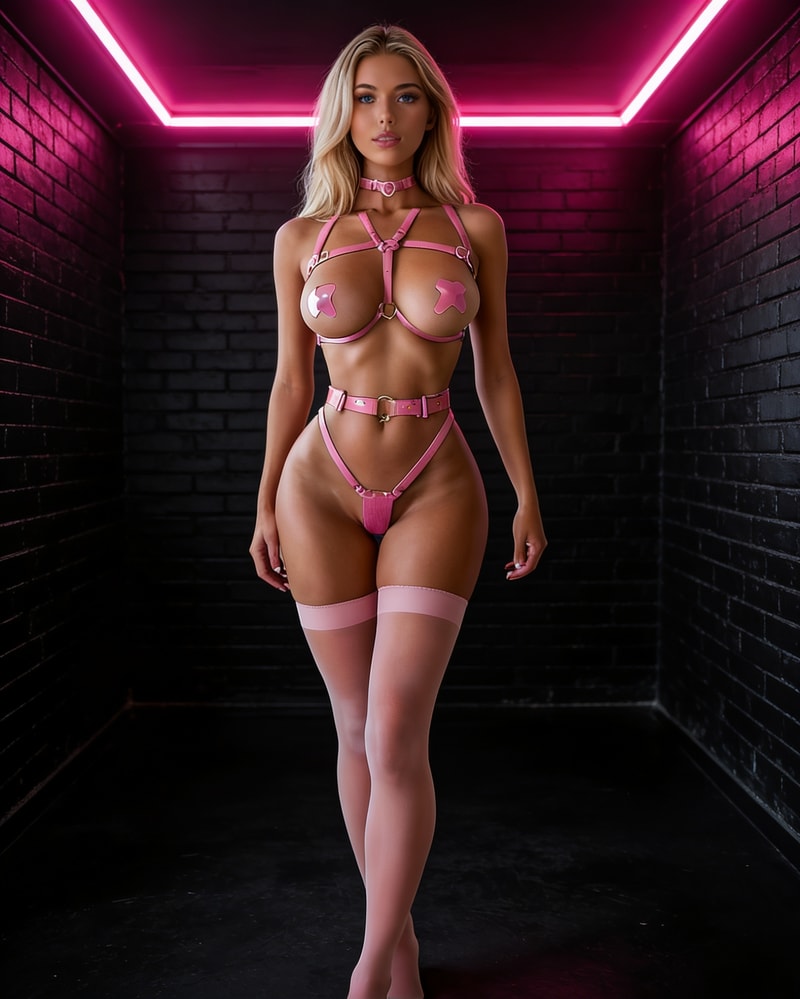
First decision. Permanent.
Realistic: Stable Diffusion 1.5 photographic rendering. Produces high-detail naturalistic images that maintain character visual consistency across sessions. Best for users who want immersive, photorealistic characters.
Anime: Stable Diffusion 1.5 anime-optimized. Produces illustrated, vibrant characters in the anime aesthetic. Long-term observation: the anime community on OurDream AI is active and creates excellent high-engagement characters.
Long-term advice: The permanence of art style choice becomes more significant over time — you'll have an investment in a character you can't easily recreate in the other style. Browse both style libraries extensively. Look at characters at 3, 6, and 12 months of community engagement (indicated by interaction metrics) — these represent what sustained users actually find engaging.
For full platform context, see our OurDream AI review.
Step 2 — Design Appearance
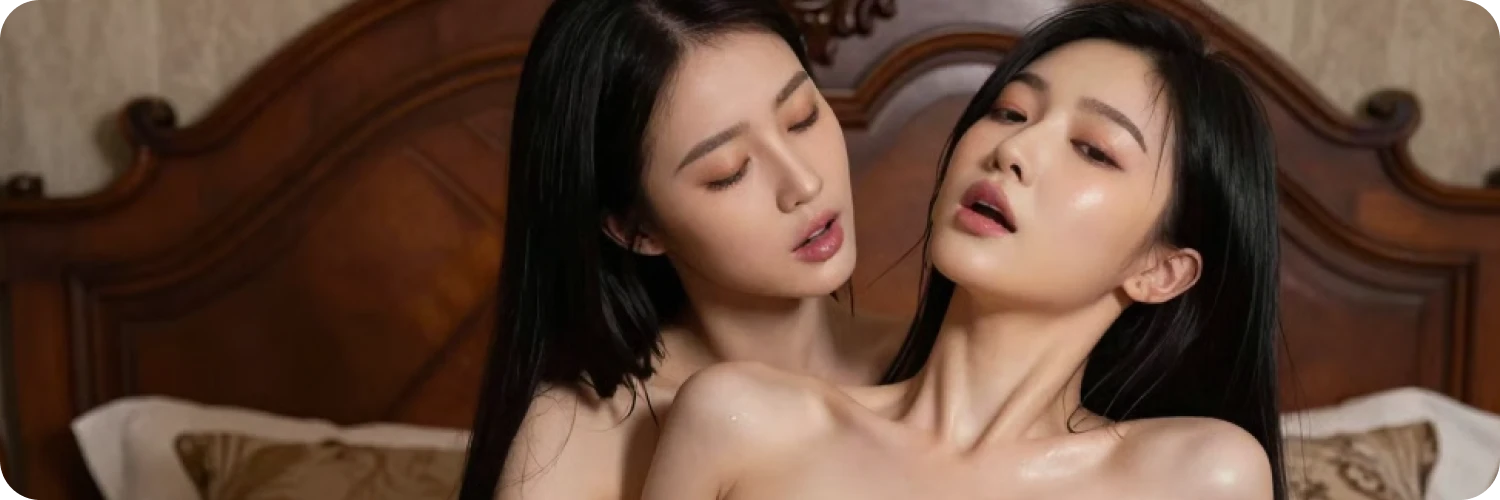
The continuous slider system produces more distinctive, specific characters than dropdown systems over time. Characters created with precise slider settings generate more visually consistent images across months of use.
Long-term approach: Focus on distinctive features rather than comprehensive adjustment. A character with a distinctively configured face, specific hair characteristics, and 2–3 other signature visual elements generates more recognizable, consistent images than one where everything is adjusted moderately.
Unlimited character slots: Create freely. Long-term users typically maintain 3–6 active characters with different focuses, rather than one primary character. This provides variety without losing established history.
Step 3 — Set Personality (The Foundation of Long-Term Character)
Personality configuration affects every interaction you'll have — for months. The investment here matters.
System:
- 40+ preset starting points
- Continuous trait sliders (not discrete options)
- 100+ occupation choices
- 100+ hobby options
- Lust level for NSFW calibration
Long-term personality insight: Presets are starting points, not endpoints. After months of use, the characters I find most engaging are hybrids — taking a dominant preset and adjusting 30% toward playful, or taking a serious professional and adjusting 20% toward warmth. Pure presets tend to feel one-dimensional over time; blended configurations feel more genuinely complex.
Occupation matters more than it seems: Occupation influences communication register, knowledge areas, and professional framing. A character who is a doctor responds differently to health questions than one who is an artist. This contextual coherence becomes more apparent over extended use.
Step 4 — Write Backstory (The Most Important Investment)
After months of character development, the correlation between backstory quality and response quality is unambiguous. Here's what long-term experience has clarified about what makes a backstory effective:
Optimal length: 200–500 words. Under 200 words: insufficient context for consistent behavior. Over 500 words: diminishing returns as the model allocates context capacity.
What works for long-term character quality:
High-value elements:
- Occupation with authentic professional detail (not just the job title, but how it shapes worldview)
- Specific formative events (not "had a difficult childhood" but specific experiences that explain current behavior)
- Relationship history that shapes current interaction style
- Speech patterns, verbal tendencies, characteristic phrases
- Internal contradictions (what they project vs what they actually want)
- Clear sense of what they want from interactions with the user
What to avoid:
- Generic positive traits without specificity
- Backstory that reads like a character sheet rather than a person
- Leaving ambiguous what the character wants from you
Lorebook evolution: For characters you invest in over months, lorebooks become increasingly valuable. Start simple — one or two keyword entries for recurring world-building elements — and expand as your scenarios develop. Long-term users who built lorebooks in month one have richer, more coherent roleplay environments by month six.
60+ fetish categories: These configure NSFW content preferences. For long-term characters, spend time on this configuration — it meaningfully shapes the character's orientation and content focus across months of interaction.
Step 5 — Select Voice
19 profiles. Long-term observation: voice selection matters more as emotional connection to a character deepens.
What I've learned over months: The voice you choose in week one may not be the right voice for month five. Reassess at 30 days — adjustable at any time from character settings without affecting any other attribute.
Long-term voice guidance: Choose a voice that feels appropriate for the character's personality and backstory, not just what sounds good in isolation. A character with a formal occupation and serious personality should probably have a voice that matches that register. Inconsistency between voice and character personality becomes more noticeable over extended interaction.
Popular Pre-Made Characters
Community-created characters with sustained engagement:
| Character | Style | Why They Hold Up Long-Term |
|---|---|---|
| Zoey | Realistic | Warm personality + detailed community backstory |
| Mina Park | Anime | Active community updates, high engagement |
| Serena | Realistic | Sophisticated, consistent character depth |
| Violet | Realistic | Distinctive aesthetic, memorable personality |
| Jade | Anime | High-energy dynamics work well in long sessions |
| Luna | Realistic | Nurturing tone, good for sustained interaction |
FAQ
Unlimited. Long-term users typically maintain 3–6 characters with different configurations for different interaction types.
Everything except art style: yes, adjustable post-creation at any time. Art style is permanent. Long-term experience: update backstories as your understanding of what works deepens — early-version backstories rarely match the refined versions you'd write after months.
200–500 words with specific occupation detail, formative experiences, behavioral tendencies, speech patterns, and relationship context. Characters whose backstories explain their current behavior rather than just describing their traits produce more coherent long-term responses. Revise over time as you learn what details produce the most consistent character behavior.
Zoey, Mina Park, Serena, Violet, Jade, and Luna. The 7 million+ character library includes characters with extensive community interaction histories — look at engagement metrics to find those that have sustained user interest.
Significantly. Blended configurations (not pure presets) produce more complex, interesting characters over extended interaction. Adjust sliders after 30 days of use — you'll have better insight into what blend works best for the character you want. Changes apply to future messages; historical context in memory preserves the character's established personality.